HSA: Investing vs. Spending
Health Savings Account (HSA) are increasingly recognized not just as a tool for covering healthcare costs, but as a powerful vehicle for long-term financial growth. With rising healthcare expenses and longer life expectancies, understanding whether to spend HSA funds now or invest them for the future is critical to building financial security.
Understanding the HSA Advantage
An HSA is available to individuals enrolled in a qualifying high-deductible health plan (HDHP). Contributions are made pre-tax (or are tax-deductible), earnings grow tax-free, and withdrawals for qualified medical expenses are tax-free. Unlike many other accounts, HSA funds roll over year to year, and the account is fully owned by the individual, making it portable and permanent even through job changes or retirement. This unique combination of tax advantages and ownership makes the HSA both a spending tool and a long-term savings vehicle.
Spending HSA Funds Now
Using HSA funds to cover immediate healthcare expenses is straightforward and provides clear benefits. Withdrawals for qualified medical costs are tax-free, and contributions reduce taxable income, potentially lowering overall tax liability. For everyday healthcare expenses—such as doctor visits, prescriptions, dental and vision care—HSAs offer an efficient and accessible funding source.
However, spending funds immediately removes those dollars from the opportunity to grow through investment. Frequent use of HSA funds for routine costs can limit long-term growth potential and reduce the ability to build a substantial reserve for future healthcare needs.
Investing HSA Funds for the Future
When contributions exceed near-term needs, investing HSA funds can transform the account into a long-term wealth-building tool. Investments in mutual funds, index funds, or other growth-oriented options allow the account to benefit from compounding returns over decades. Because healthcare costs often rise with age, building a dedicated investment in an HSA can help mitigate these future expenses while maintaining tax advantages.
Investing in an HSA requires discipline. Funds allocated to investments should be separate from the cash needed for short-term medical expenses to ensure liquidity. Over time, an invested HSA can serve as a specialized retirement asset that reduces reliance on taxable accounts and safeguards financial wellness against unforeseen health costs.
Finding the Right Balance
A strategic approach often blends both spending and investing:
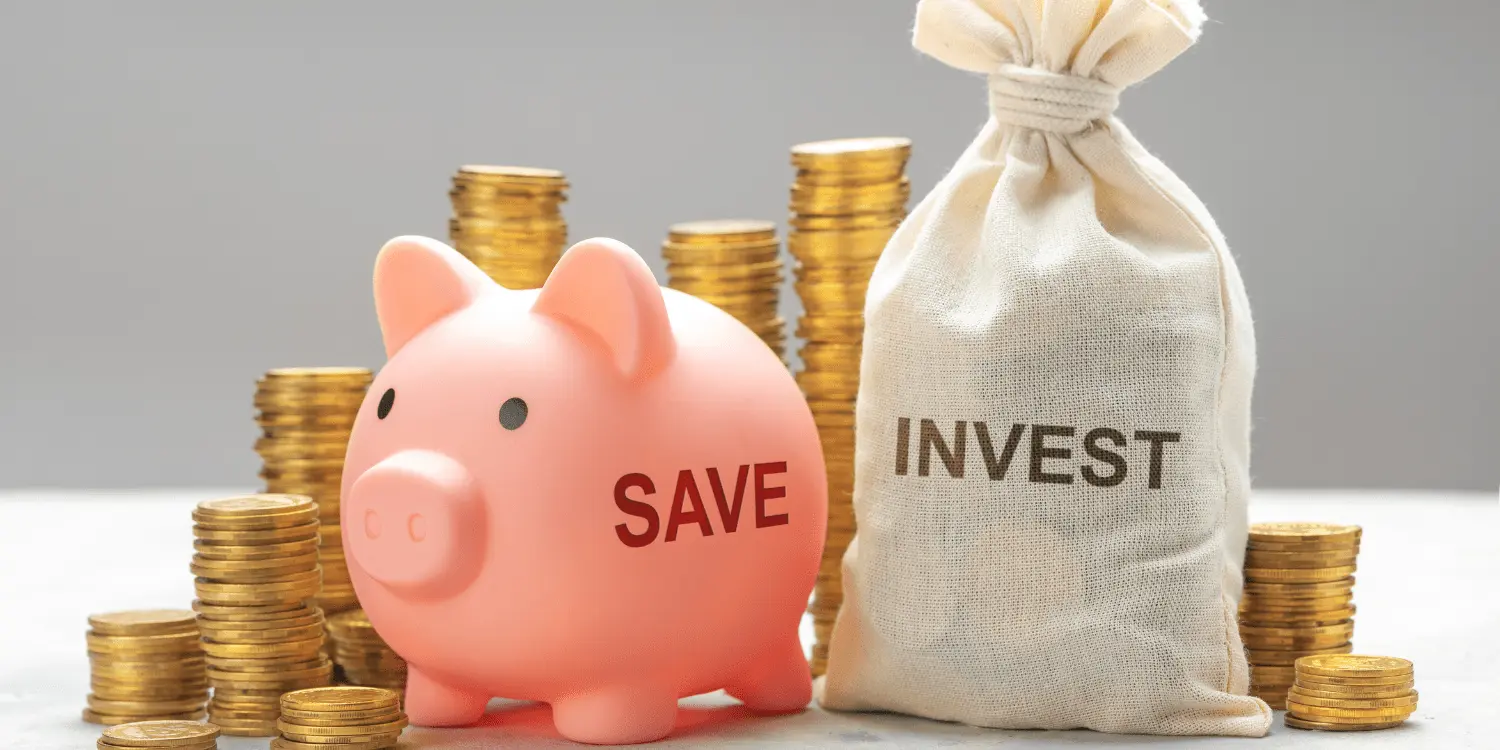
- Maintain a cash buffer to cover anticipated healthcare expenses in the near term, such as annual deductibles and routine care.
- Invest additional contributions for long-term growth, aligning choices with risk tolerance and time horizon.
- Periodically review account performance, healthcare needs, and retirement goals to adjust the balance between cash and investments.
This dual approach allows account holders to maximize tax advantages, maintain liquidity for immediate needs, and grow funds for future healthcare expenses.
HSAs and Long-Term Financial Wellness
Beyond immediate healthcare needs, HSAs support long-term financial wellness by integrating health and retirement planning. They offer a triple tax advantage: contributions reduce taxable income, earnings grow tax-free, and withdrawals for qualified medical expenses are tax-free. Over time, the compounding effect of invested funds can create a significant healthcare nest egg, providing peace of mind and financial resilience in retirement.
HSAs also offer flexibility and portability, allowing individuals to retain and grow their funds regardless of employment changes. By encouraging disciplined saving and investment for future health expenses, HSAs reinforce a long-term mindset that aligns with overall financial planning.
Conclusion
The decision to spend or invest HSA funds should be guided by individual circumstances, including short-term healthcare needs, long-term goals, risk tolerance, and retirement plans. While spending funds immediately provides liquidity and tax-free coverage for current costs, investing unused funds positions the HSA as a growth engine for future financial and healthcare security.
When approached strategically, an HSA becomes more than a savings account—it becomes a cornerstone of long-term financial wellness, ensuring that healthcare costs are managed effectively while building a foundation for a secure and financially resilient future.