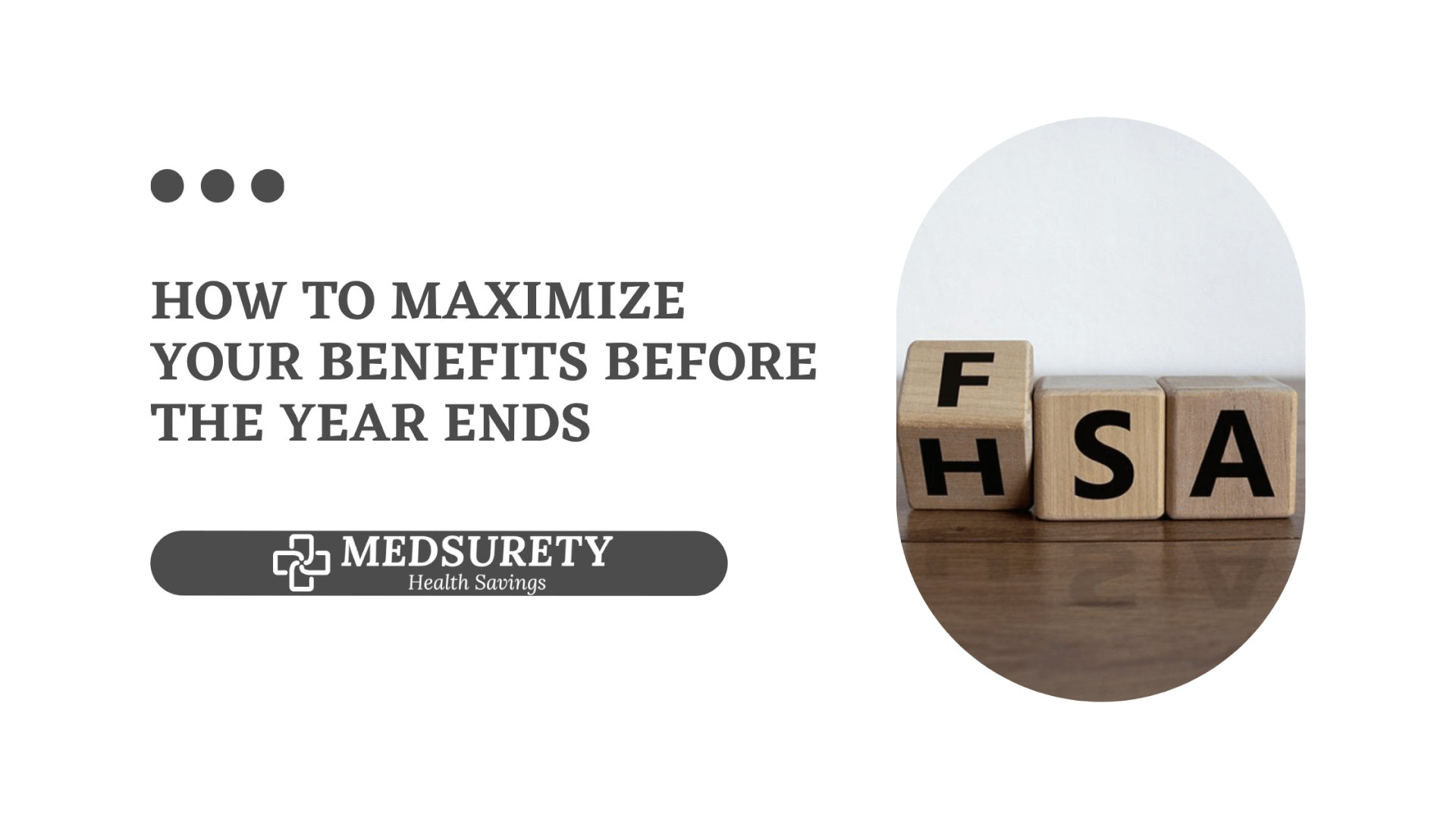
Mid-Year HSA & FSA Check-In: How to Maximize Your Benefits Before the Year Ends
For many people, Health Savings Accounts (HSAs) and Flexible Spending Accounts (FSAs) only get attention during open enrollment or when a medical bill shows up. A mid-year review can help participants avoid missed savings opportunities, prepare for upcoming healthcare expenses, and make smarter financial decisions for the rest of the year.
Whether you have an HSA, an FSA, or both, now is a good time to review your balances, contribution amounts, eligible expenses, and long-term goals.
Why a Mid-Year Review Matters
Healthcare expenses rarely happen on a perfect schedule. Prescription costs, specialist visits, dental work, vision appointments, and unexpected medical needs can all impact your budget during the second half of the year.
A mid-year review helps participants:
- Estimate upcoming healthcare expenses
- Adjust contributions if needed
- Avoid unused FSA funds at year-end
- Build long-term HSA savings
- Take advantage of tax savings
- Prepare for open enrollment decisions
Many employees wait until November or December to review their accounts. Starting earlier gives participants more flexibility and more time to make adjustments.
Understanding the Difference Between an HSA and FSA
Before reviewing strategies, it helps to understand how these accounts work.
Health Savings Account (HSA)
An HSA is available to individuals enrolled in a qualified high-deductible health plan (HDHP). Contributions are made pre-tax, earnings grow tax-free, and withdrawals for eligible medical expenses are also tax-free.
An HSA offers three major advantages:
- Pre-tax contributions
- Tax-free growth
- Tax-free withdrawals for qualified healthcare expenses
Unused funds remain in the account year after year, and the account stays with the participant even if they change jobs. HSAs can also be invested once minimum balance requirements are met.
Flexible Spending Account (FSA)
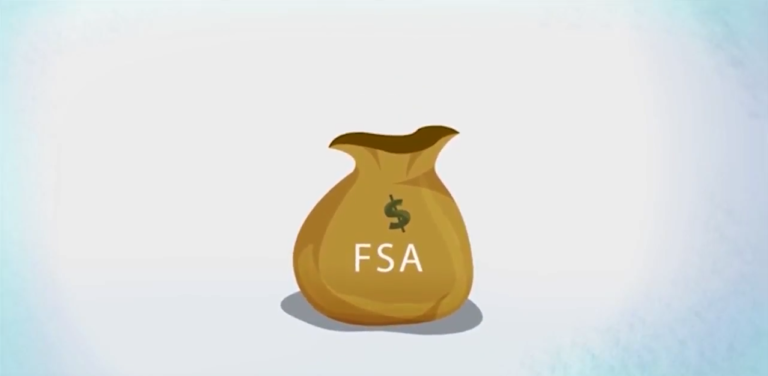
An FSA allows employees to set aside pre-tax money for eligible healthcare expenses. Unlike an HSA, FSAs are employer-sponsored and usually follow a “use-it-or-lose-it” structure.
Some employers allow:
- A limited carryover amount
- A grace period for spending unused funds
Participants should review their employer’s specific plan rules carefully.
Step 1: Review Your Healthcare Spending So Far
Start by reviewing healthcare expenses from the first half of the year.
Look at:
- Doctor visits
- Prescription costs
- Dental expenses
- Vision expenses
- Physical therapy
- Mental health visits
- Over-the-counter purchases
- Medical equipment or supplies
Next, estimate what expenses may still occur before year-end.
Questions to consider:
- Are any surgeries or procedures planned?
- Will you need new glasses or contacts?
- Do you expect recurring prescriptions?
- Are children due for physicals or vaccinations?
- Have you met your deductible yet?
Reviewing past spending patterns can help participants avoid underfunding or overfunding their accounts.
Step 2: Check Your Contribution Amounts
For HSA Participants
Mid-year is a good time to determine whether your current contribution amount aligns with your healthcare and financial goals.
Some participants contribute only enough to cover expected medical expenses. Others use their HSA as a long-term savings strategy for retirement healthcare costs.
For 2026, the IRS HSA contribution limits are:
- $4,400 for individuals with self-only coverage
- $8,750 for individuals with family coverage
- An additional $1,000 catch-up contribution for individuals age 55 or older.
Questions to ask:
- Will your current contributions cover expected expenses?
- Are you on pace to reach the annual maximum?
- Could increasing contributions reduce taxable income?
- Are you missing out on employer contributions or matching opportunities?
Even a small increase in payroll deductions during the second half of the year can help participants maximize tax savings.
For FSA Participants
Since FSA funds are generally intended to be used within the plan year, participants should compare:
- Current balance
- Expected remaining expenses
- Year-end deadlines
- Carryover limits
For 2026, the IRS health FSA contribution limit is $3,400, and plans that allow carryovers may permit participants to carry over up to $680 into the following plan year. Employers may choose whether to offer a carryover feature and may set lower limits based on plan design.
If your balance is higher than expected, start planning how to use remaining funds on eligible expenses before deadlines arrive.
Step 3: Use Eligible Expenses Strategically
Many participants only use HSAs and FSAs for doctor visits or prescriptions, but these accounts can cover a much wider range of eligible healthcare expenses.
Common eligible expenses may include:
- Copays and deductibles
- Dental cleanings and orthodontia
- Eye exams, glasses, and contact lenses
- Prescription medications
- Certain over-the-counter medications
- First aid supplies
- Sunscreen with SPF requirements
- Menstrual care products
- Medical equipment
- Chiropractic care
- Physical therapy
Some items may require documentation or a Letter of Medical Necessity. Participants should always keep receipts and review plan guidelines before making purchases.
For added convenience, participants can also shop through the MEDSURETY HSA Store and FSA Store for products that are guaranteed to be eligible expenses.
Step 4: Schedule Appointments Before Year-End
Many participants delay medical appointments until the last few months of the year, which can create scheduling challenges and missed opportunities to use available funds.
Mid-year is an ideal time to schedule:
- Annual physicals
- Dental exams
- Vision appointments
- Preventive screenings
- Specialist visits
- Elective procedures
If you have already met your deductible, completing additional care before the end of the plan year may help reduce out-of-pocket costs.
Planning ahead also helps FSA participants avoid rushing to spend remaining funds in December.
Step 5: Consider Investing Your HSA Funds
One of the biggest advantages of an HSA is the ability to invest unused balances for long-term growth.
Many participants use HSAs only as spending accounts, but an HSA can also function as an additional retirement savings tool.
Experts commonly recommend maintaining enough cash in the account to cover short-term healthcare expenses before investing additional funds. Some recommend keeping roughly two to three years of routine medical expenses available in cash.
Common HSA investment options include:
- Mutual funds
- Index funds
- Stocks
- Bonds
Participants who invest their HSA funds should periodically review:
- Investment performance
- Risk tolerance
- Asset allocation
- Long-term healthcare savings goals
Because HSA funds roll over each year, consistent contributions and long-term growth can create a substantial healthcare savings reserve over time.
Step 6: Keep Documentation Organized
Good recordkeeping helps participants avoid reimbursement issues and simplifies tax reporting.
Participants should save:
- Itemized receipts
- Explanations of Benefits (EOBs)
- Prescription documentation
- Letters of Medical Necessity
- Proof of payment
MEDSURETY participants can upload receipts, track balances, review transactions, and manage their accounts directly through the mobile app or online portal.
Common Mid-Year Mistakes to Avoid
Ignoring FSA Deadlines: Many participants forget that FSA funds may expire if unused. Review carryover rules and spending deadlines early.
Contributing Too Little to an HSA: Underfunding an HSA can leave participants paying more out of pocket later in the year. Reviewing expected expenses mid-year allows time to adjust contributions.
Missing Eligible Expenses: Participants often overlook common eligible expenses such as vision care, dental services, and over-the-counter products.
Not Investing Excess HSA Funds: Participants who maintain large unused HSA balances in cash may miss long-term growth opportunities.
Waiting Until Open Enrollment: Reviewing benefits only during open enrollment can limit flexibility and create rushed decisions. A mid-year check-in provides more time to plan effectively.
Final Thoughts
HSAs and FSAs can play an important role in both healthcare planning and overall financial wellness. A mid-year review gives participants the opportunity to adjust contributions, plan for upcoming expenses, avoid unused funds, and strengthen long-term savings strategies.
Small changes made now can improve budgeting, increase tax savings, and help participants feel more prepared for the rest of the year.
Participants should review their specific plan rules, contribution limits, and eligibility requirements before making changes to their accounts.